Login (email addr.) password  

MONOGRAM
UK focus on grain and grass research


You are here: >

Featured project


Optimising wheat grain shape and size for improved processing quality

Project summary

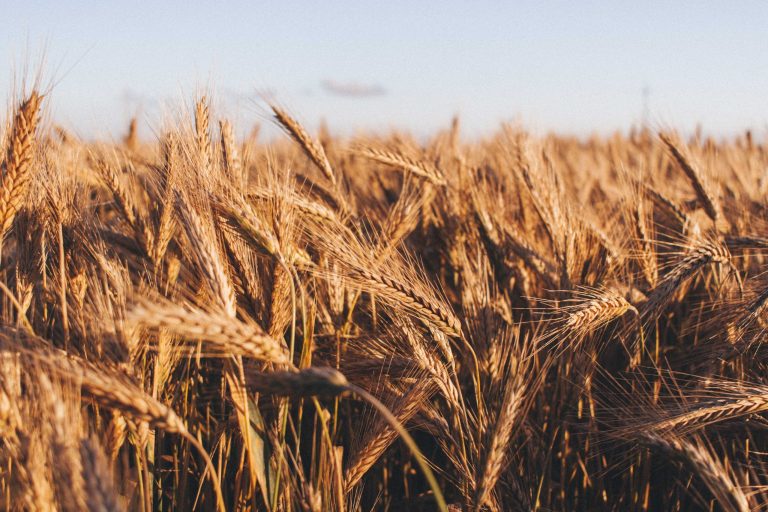
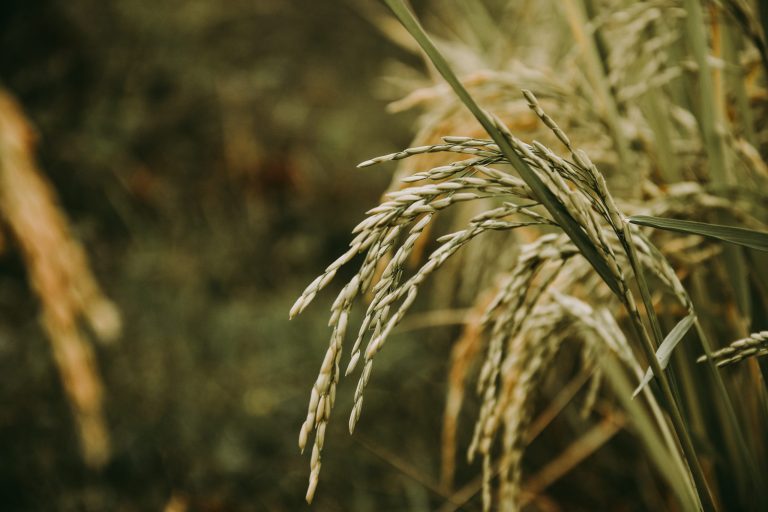
The cereal endosperm is a major source of calories and protein for much of the world’s population. Significant increases in cereal yields over the last century helped prevent wide scale famine and improved food stability across the world. However, this has mainly been associated with an increase in the number of kernels per meter squared rather than significant changes in grain size. The vast majority of wheat though is consumed in the form of white flour, which is obtained from the inner core of the grain during milling. Grain size and shape are known to be important parameters in determining flour yield and quality, although the relationship with basic length, width, or height measurements is not simple. Mathematical 3D models of grain shape, however, have recently highlighted the importance of the depth and morphology of the crease region of the grain. Size and overall shape of barley grains is also important to brewers and distillers since both factors are known to influence the rate and uniformity of starch mobilization during malting, while grain shape, defined as the ratio between length and width, is a hugely important end-user trait in rice. Despite this, our knowledge of those processes and the genes, which directly effect grain development is very limited and hence are ability to alter or select for improved grain shape poor. We have, therefore put together a coordinated multi-disciplinary programme of research including six major UK laboratories currently engaged in research in seed development and milling technology to address this. Our work not only involves direct forward genetic approaches in wheat and barley but is also utilising the latest research from the model species Arabidopsis and maize. By targeting end user quality traits our current programme offers the opportunity to increase yields and crop value without increasing inputs.


Presentation

(Pdf SlideShow, 0.9Mb)

Please note that currently these presentations are provided as either pdf or Microsoft presentation files. Many slides have transitions, so please use the mouse to click on each slide to get the next step of the slideshow transition. using the 'next page' button will skip the transitions in powerpoint presentations and much information in some cases.


The project team

RRes Peter Shewry, Alison Huttly, Sabine Gubatz, Graham King, Huw jones, Rowan Mitchell
JIC John Snape, John Doonan, Vasilis Gegas, Simon Griffiths
SCRI David Leader, Arnis Druka, Jill Alexandex
University of Bath Rod Scott, Melissa Spielman
University of Oxford Rod Scott, Hugh Dickinson, Na Li
University of Manchester Grant Campbell


Contact Us | BBSRC Monogram Cross Institute Programme | The Monogram Network

web administrators: Paul Verrier, RRes & Nathalie Castells, RRes
  The Biotechnology and Biological Sciences Research Council

Rothamsted Research provides no express or implied warranties of any kind, including but not limited to those of merchantability, fitness for a particular purpose and non-infringement of the proprietary rights, such as copyrights, patents and trade secrets, of third parties. Rothamsted Research makes every effort to ensure the quality and accuracy of the material on these web pages. However, it accepts no liability for the contents of these web pages, including any third party material.